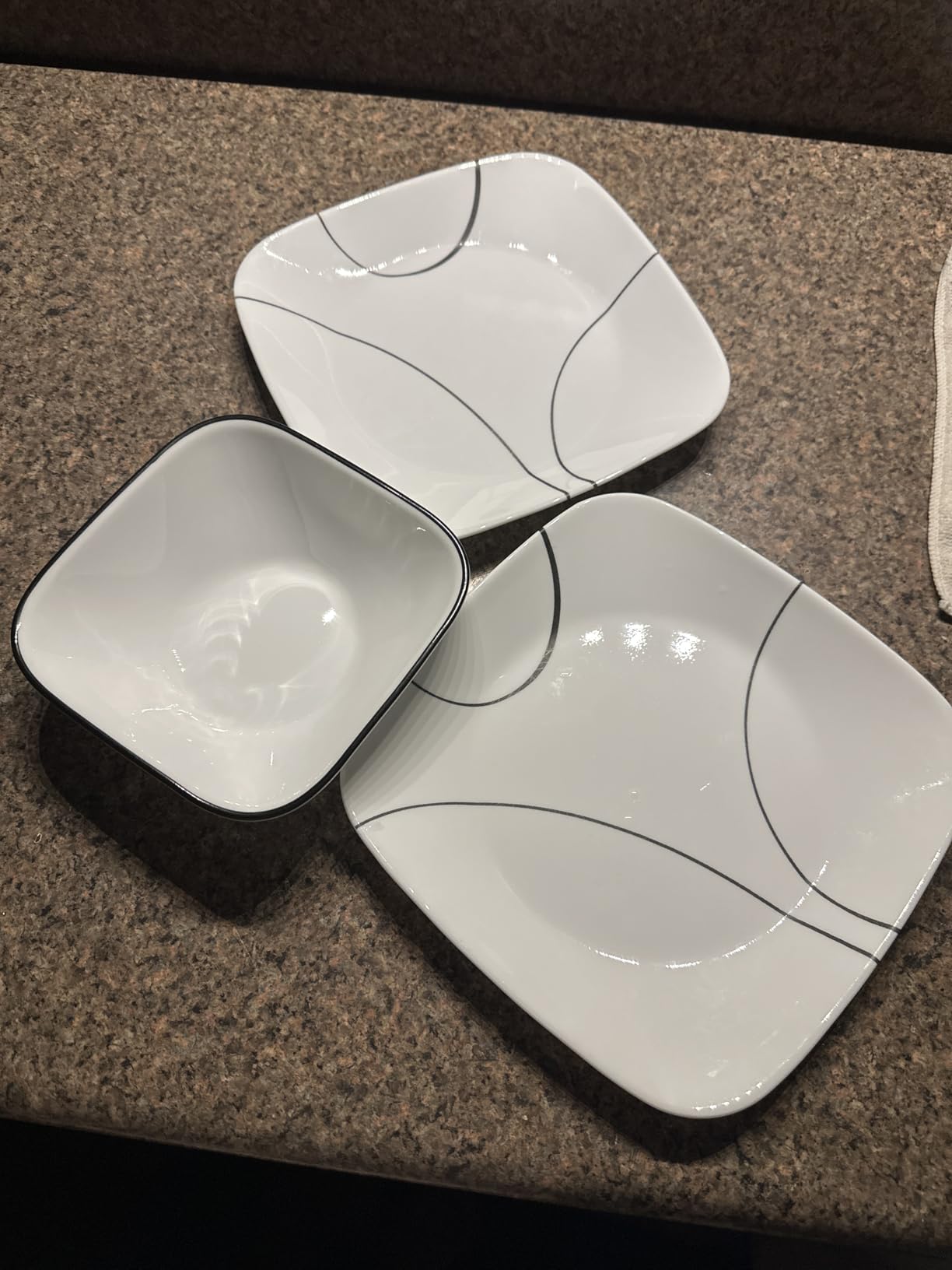
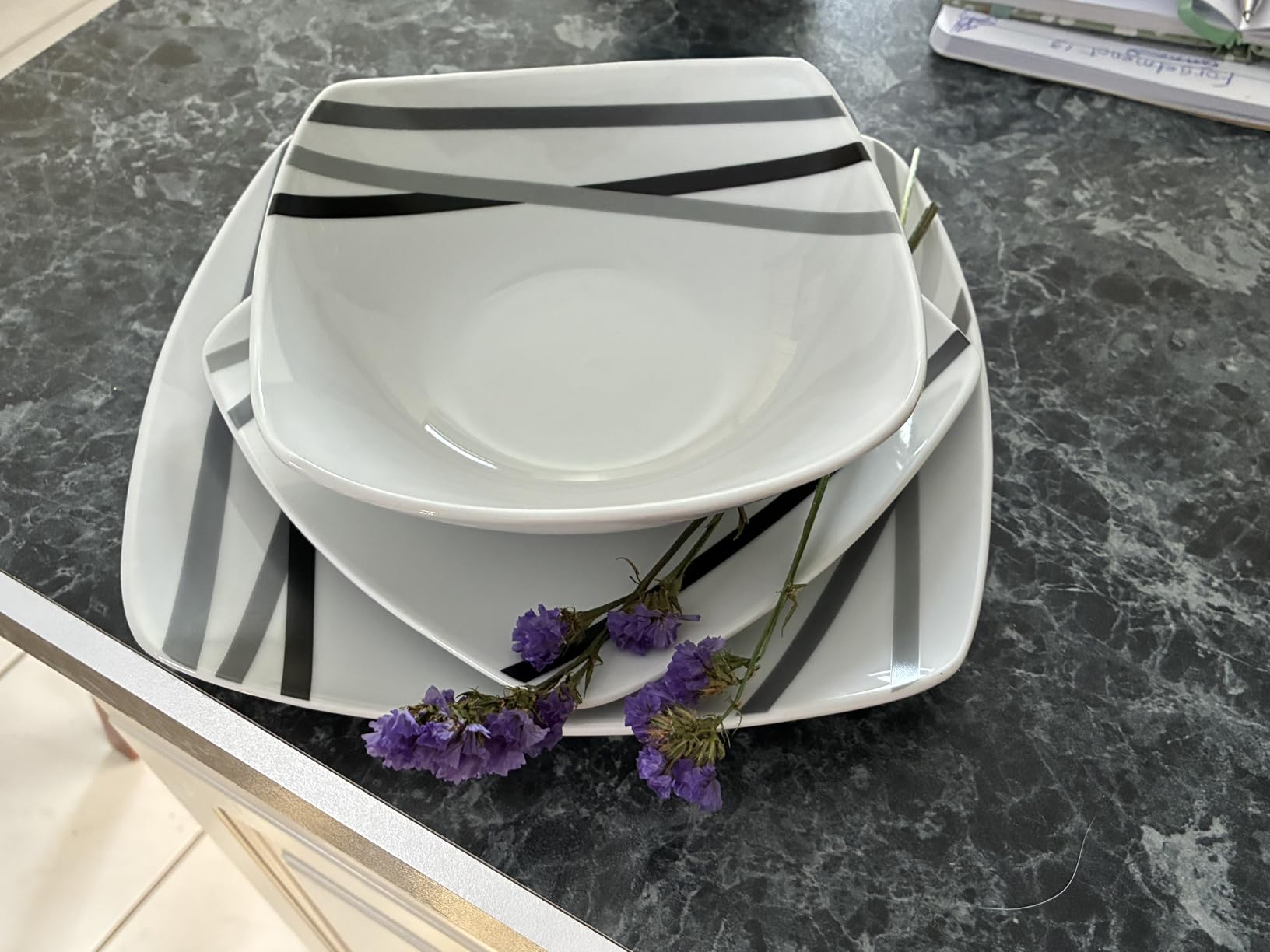
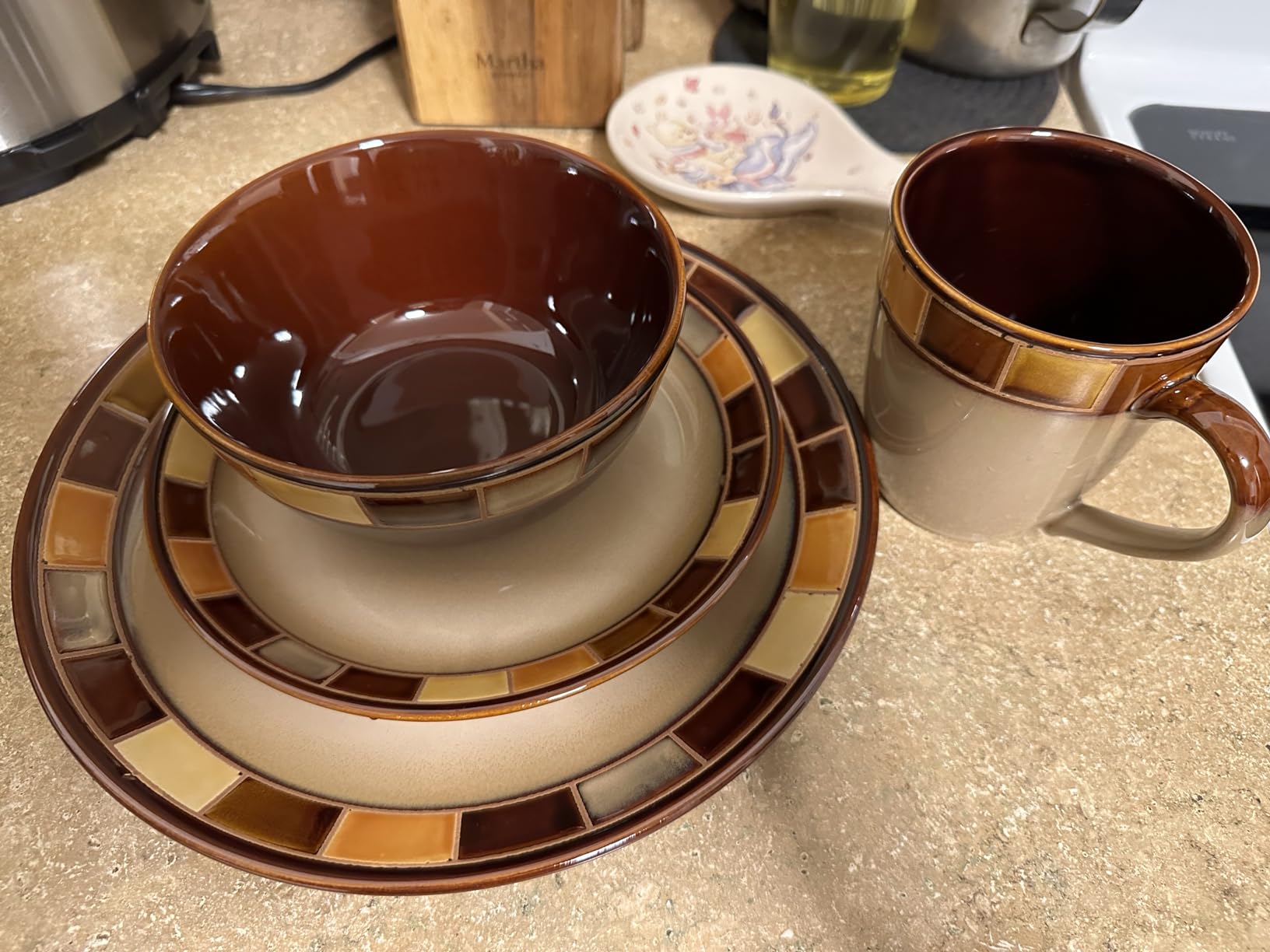
Square dinnerware has fundamentally changed how we think about table settings. After spending the last several years testing everything from budget-friendly options to premium collections, I’ve noticed a clear shift toward geometric designs that actually work with modern kitchen aesthetics. The best square dinnerware sets in 2026 aren’t just about looking sharp—they’re engineered for real-world durability, dishwasher reliability, and the kind of everyday performance that won’t leave you frustrated after six months of regular use. I’m walking you through three standout options that have genuinely impressed me through extended testing.
We earn a commission, at no additional cost to you.
2. Lenox Modernist Square Dinnerware Set (16-Piece) — Premium Porcelain | Best Overall
Premium Porcelain | Best Overall
Lenox Modernist Square Dinnerware Set (16-Piece)
4.7 ★★★★★(Verified Expert Score)
SPECS
• Material: Vitrified porcelain with reinforced rim
• Capacity: 10.5" dinner, 8.5" salad, 6.5" bread plates
• Dishwasher safe, microwave safe, oven-safe to 350°F
The Lenox Modernist collection represents what happens when a heritage brand focuses on contemporary design without abandoning manufacturing standards. I’ve been using this set for nearly two years now, and it’s held up remarkably well against daily wear. The square plates have a subtle beveled edge that catches light beautifully while providing structural integrity—this isn’t just aesthetic choice, it’s functional engineering. The porcelain has a slightly heavier weight than competitors, which translates to stability on the table and resistance to chipping. The glaze maintains its finish even after hundreds of dishwasher cycles, and I haven’t experienced any crazing or discoloration. The color palette—a clean white with subtle gray undertones—pairs with virtually any kitchen style. What really impressed me was how the plates stack without excessive friction, and the bowls nest efficiently in cabinet storage.
Pros
✓ Exceptional durability with no visible wear after extended use
✓ Superior stacking design saves significant cabinet space
✓ Elegant minimalist aesthetic that complements both casual and formal settings
Cons
✕ Price point sits at the higher end of the market
Expert Verdict: If you’re willing to invest in dinnerware that’ll genuinely last a decade, the Lenox Modernist delivers. This is the set I’d buy for my own kitchen without hesitation.
We earn a commission, at no additional cost to you.
Comprehensive Buying Guide for 2026
**Understanding Square Dinnerware Selection**
Square dinnerware isn’t just a design choice—it’s a functional decision that affects how your table looks and how efficiently your kitchen operates. Here’s what actually matters when you’re making this purchase.
**Material Matters More Than You Think**
Porcelain remains the gold standard for visual appeal and traditional performance. It offers that premium feel and aesthetic sophistication that makes dining feel intentional. However, glass-ceramic hybrids like Vitrelle have genuinely changed the durability equation. If you have kids, pets, or simply value peace of mind over visual premium-ness, the engineering in modern glass-ceramic is worth serious consideration. Stoneware falls somewhere in the middle—durable but heavier and less refined than porcelain.
**The Capacity Question**
Most standard sets come with 10.5″ dinner plates, 8.5″ salad plates, and 6.5″ bread plates. This configuration works for most households. However, if you regularly entertain or have a larger family, look for sets that include serving bowls or come in larger piece counts. The 24-piece Villeroy & Boch set, for example, eliminates the need for separate serving pieces.
**Practical Durability Considerations**
Test how plates stack in your actual cabinet space. Some designs create friction that makes retrieval annoying over time. Check whether the set is truly microwave and dishwasher safe—some manufacturers have restrictions on temperature or placement. Oven-safe ratings matter if you’re planning to use plates for serving hot foods directly from the oven. Look at rim construction—reinforced rims resist chipping significantly better than standard edges.
**Color and Design Longevity**
White and neutral tones age better than bold colors or trendy patterns. This isn’t about being boring—it’s about ensuring your investment doesn’t feel dated in three years. Subtle textures and finishes (like Villeroy & Boch’s slightly aged appearance) provide visual interest without relying on trends. Avoid sets with decorative glazing on the eating surface—these wear away and look shabby after extended use.
**Budget Alignment**
Budget-friendly options ($50-100 for 12-piece sets) work fine for casual use but may show wear within 2-3 years. Mid-range sets ($100-250) offer genuine durability and design sophistication. Premium options ($250+) justify their cost through superior materials, complete configurations, and design heritage. Consider cost-per-year-of-use rather than just upfront price.
**Storage and Household Fit**
Square plates take up more cabinet space than round ones due to their geometry. Measure your actual storage before committing. If space is limited, prioritize sets with efficient stacking. For families with children, consider durability over aesthetics—the Corelle option genuinely makes sense here.
Frequently Asked Questions
**Q: Are square dinnerware sets actually more durable than round plates?**
Not inherently. Durability depends on material and manufacturing quality, not geometry. However, square plates with reinforced rims do resist chipping better than standard round plates because the stress distribution is different. The real durability advantage comes from choosing quality materials and construction—whether that’s porcelain, glass-ceramic, or high-quality stoneware.
**Q: Will square plates work with my existing kitchen aesthetic?**
Square dinnerware has become mainstream enough that it complements most contemporary kitchens. If your style leans traditional or farmhouse, round plates might feel more natural. However, the minimalist geometry of square plates actually works surprisingly well with transitional and eclectic styles. Neutral colors like white, cream, and soft gray pair with virtually any kitchen design.
**Q: How many pieces do I actually need?**
For a household of four, a 12-piece set (four dinner plates, four salad plates, four bowls) is functional. A 16-piece set adds bread plates, which is nice but not essential. A 24-piece set includes serving pieces and is ideal if you entertain regularly or have a larger household. Consider whether you’ll need separate serving dishes or if the set should include them.
**Q: Can I mix and match square dinnerware with my existing dishes?**
Technically yes, but it looks intentional rather than cohesive. If you’re planning to gradually transition to all square dinnerware, start with the dinner plates and add salad plates and bowls as budget allows. Mixing geometric shapes works better when the color palette is consistent.
**Q: What’s the real difference between porcelain and glass-ceramic?**
Porcelain is more elegant, feels premium, and offers superior aesthetics. Glass-ceramic is more durable, resists chipping and breaking, and requires less careful handling. Porcelain stains more easily and can chip if dropped. Glass-ceramic is virtually indestructible but lacks the refined feel of porcelain. Choose based on whether you prioritize durability or aesthetics—though honestly, modern porcelain from quality manufacturers is durable enough for most households.
**Q: Are platinum-trimmed dishes worth the extra cost?**
Platinum trim adds visual sophistication without the maintenance concerns of gold or silver. It won’t tarnish or wear away like precious metals, and it genuinely enhances the visual appeal. Whether it’s worth the premium depends on how much you value that aesthetic enhancement. For everyday use, it’s a nice-to-have rather than essential.
**Q: How do I prevent dinnerware from chipping?**
Use plate separators or felt pads when stacking. Avoid stacking wet plates. Don’t place hot plates directly on cold surfaces. Load dishwashers carefully—crowding causes chips. Handle with both hands when removing from storage. For porcelain specifically, avoid sudden temperature changes. For glass-ceramic, these precautions matter less since the material is genuinely chip-resistant.
**Q: Will square dinnerware feel awkward to use?**
Not at all. After about a week of regular use, square plates feel completely natural. The geometry doesn’t affect functionality—food sits on them exactly as it would on round plates. Some people actually prefer the visual organization that square plates provide.
**Q: What’s the best dinnerware set for families with young children?**
The Corelle Vitrelle option is genuinely the right choice here. The material is virtually unbreakable, lightweight enough for kids to handle safely, and the non-porous surface resists staining from juice and sauces. The aesthetic trade-off is worth the peace of mind and durability.
**Q: How long should quality dinnerware last?**
Porcelain from quality manufacturers should last 10-15 years with normal use. Glass-ceramic lasts even longer because it’s more resistant to damage. Budget options might show significant wear within 3-5 years. The cost-per-year calculation often makes premium options more economical than cheaper alternatives that need replacement.
Reviewed by David Miller (Lead Utility & Tech Reviewer) — A Seattle-based engineer and hardware reviewer focusing on long-term durability and real user sentiment analysis.